
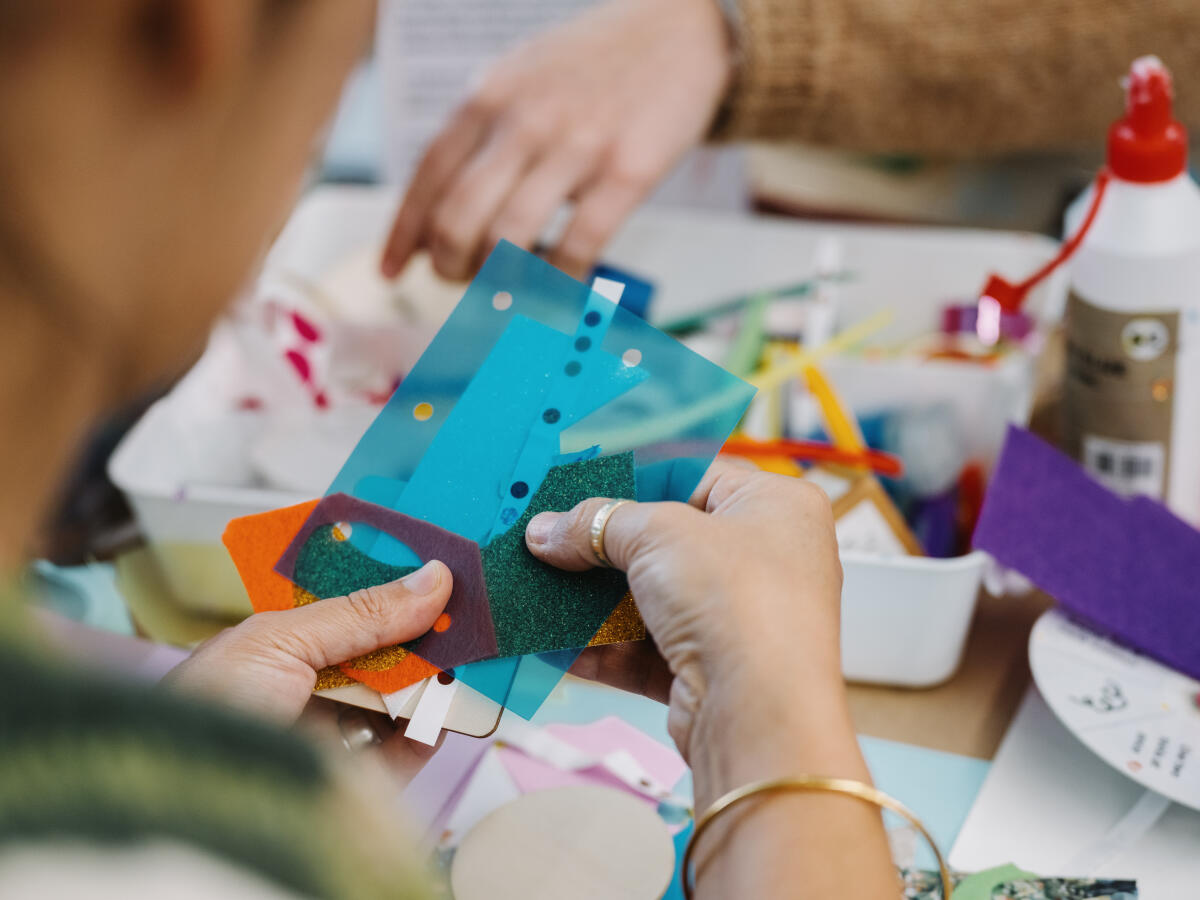
Creative visual thinking at Squiggla's 2026 Aotearoa Art Fair Making Space. Photo credit: David St George.
In March, Squiggla and The Chartwell Project ran a survey as part of The Arts Foundation’s nationwide All in for Arts talk series. We asked attendees to share how visual creativity — from drawing and painting to other imaginative making — fits into their daily lives. We focused on three simple questions: What do you do to get ready to create? What draws you to creative making, and what do you get out of it? And what, if anything, makes it harder to create as often as you’d like?
Here’s what we learnt.
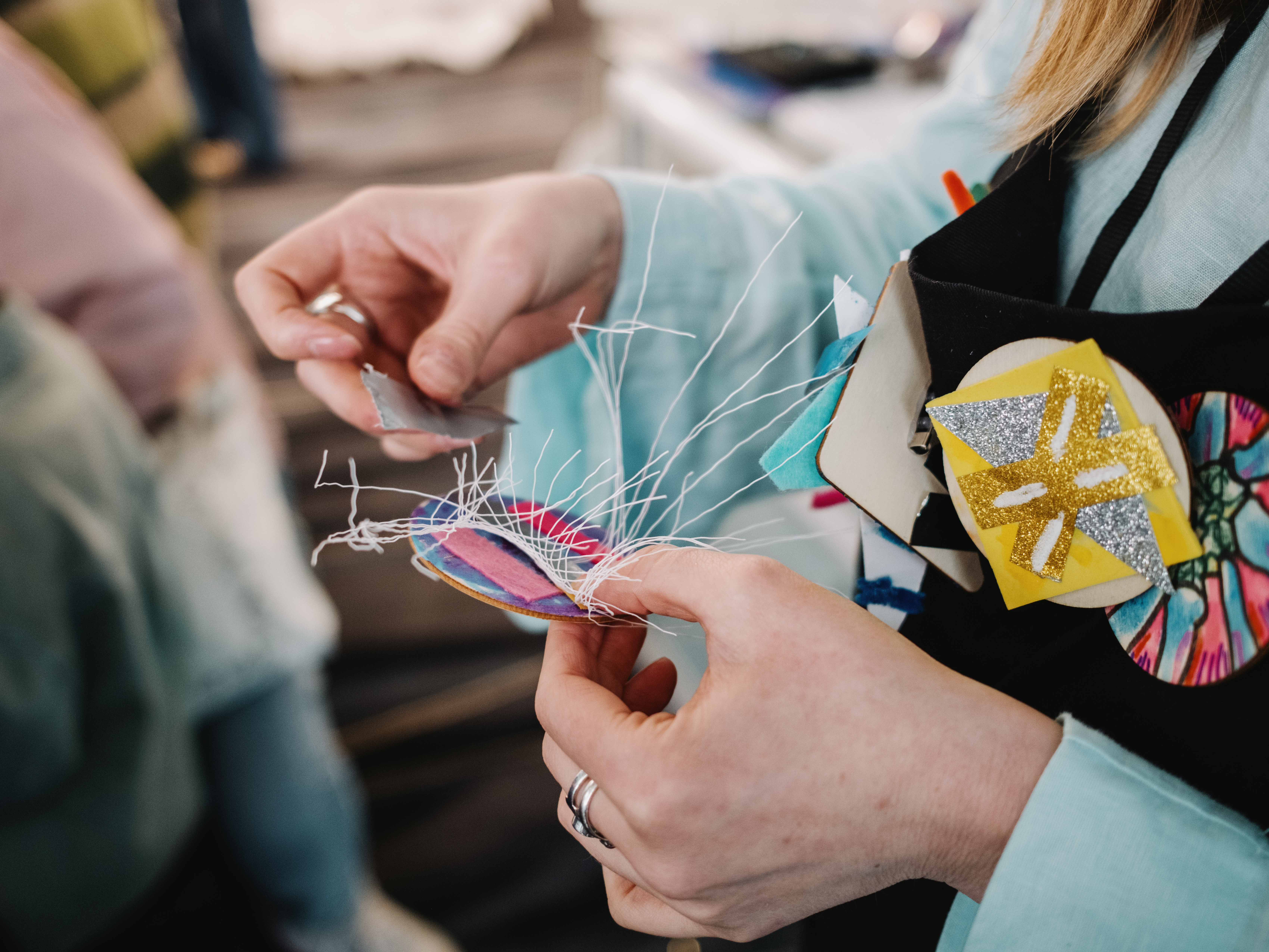
Squiggla asked, “What do you do to get ready to create?”
Some people said they don’t do anything at all — creativity simply happens when it happens:
- “I don’t get ready. I just do.”
- “I either feel in the mood or I don't!”
- “Sometimes I find a sewing pattern and I must must must make it right now! And creativity takes over everything else.”
Others shared small rituals that help them shift into a creative mindset:
- “I fill a glass with hot water to drink.”
- “I put my phone away.”
- “I use accountability to get moving, so I invite friends to go to the jewellery studio with me or to come over for a crafternoon.”
For some, creative making is a state of calm and relaxation, and they prepare by practising meditation, yoga, or controlled breathing. Others listen to music — some people even dance to warm up! — or podcasts or have a TV show playing in the background.
Many people said it’s important to ensure their creative space, tools, and materials are prepared in advance:
- “I have my space ready, material on hand and jump right in.”
- “I have everything ready to go when I start.”
Many also noted that their surrounding circumstances have the greatest influence on when they sit down to create:
- “I need to have a good sleep.”
- “I need a safe and peaceful environment.”
- “I have to make sure I'm well-fed with nutritious food and take away all distractions.”
- “I follow my energy of the day. Generally I want to be creative when I have no major or minor stressors — even needing to do housework can be a mental block — and high energy. When both align, I feel like it's possible to be creative.”
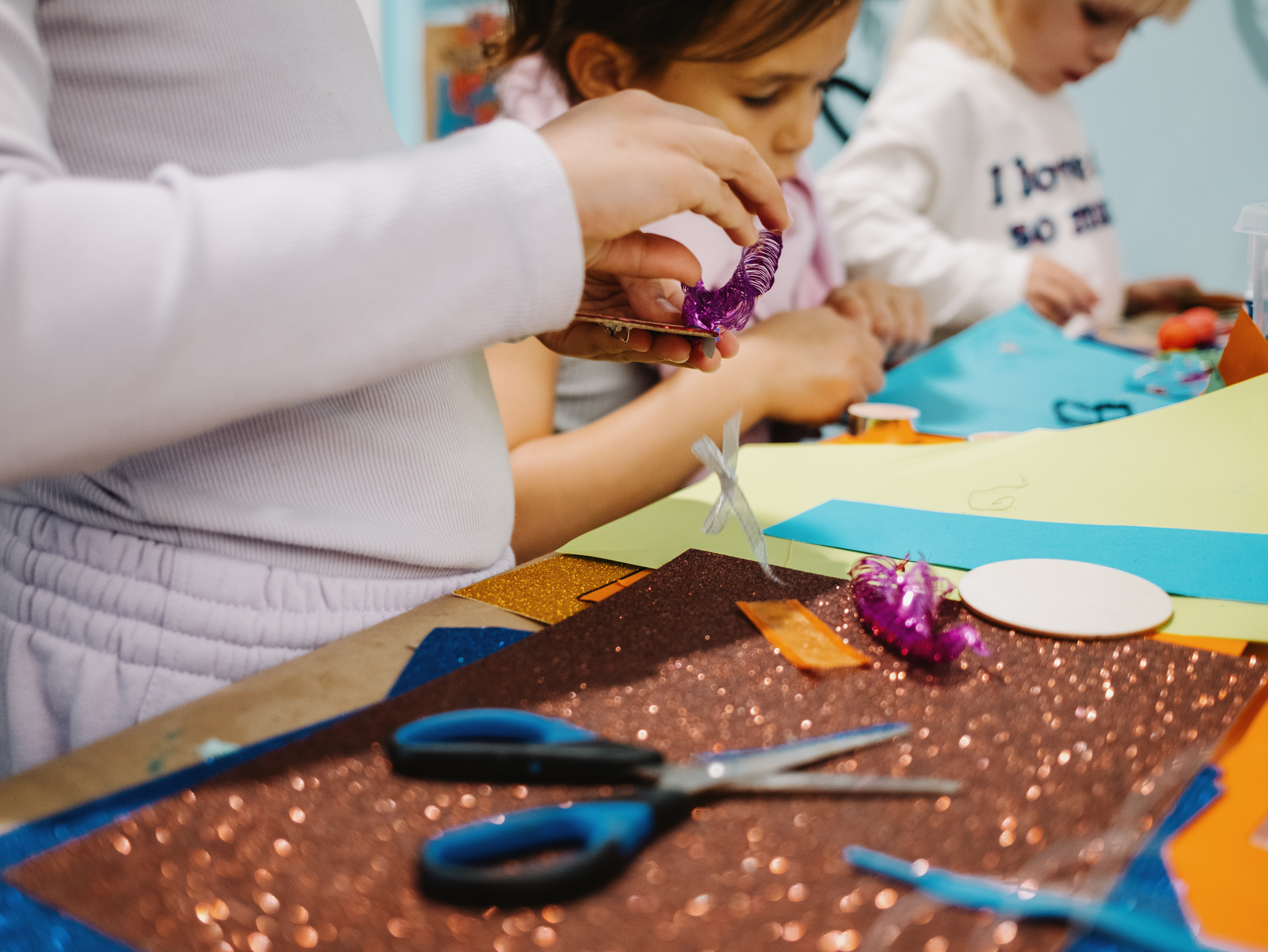
Squiggla asked, “What draws you to creative making and what do you get out of it?”
Many responded that creativity is an essential part of their identity:
- “Without it I'm not sure what or who I would be.”
- “I find my voice, my pride, and my sense of self in making art.”
- “Being human draws me to creative making — we are all creators!”
- “When I need to feel grounded and remind myself who I am.”
Others respondents identified the satisfaction of inventing something from scratch:
- “I enjoy making things for my friends and family, and get feelings of achievement and satisfaction.”
- “I love creating things out of my mind's eye into reality.”
- “I predominantly make useful, beautiful things like clothing — 3D objects I can wear and admire.”
- “I like feeling resourceful — buying second hand fabric and playing with zero waste and low waste patterns...”
Some people focused on the wellbeing aspects of creative visual thinking:
- “Art is a big way I process the world and make sense of it all, how I create order from chaos, and create chaotic art after a very orderly day job.”
- “It soothes my mind and gives me purpose.”
- “I find it meditative and joyful to work with colour.”
- “It helps me clear the cluttered thinking in my head…”
Or said that creative making provides an outlet from the rest of their lives:
- “It’s so beneficial to your wellbeing to express yourself visually, and takes you away from screens into an analog, hands-on world.”
- “Taking a break from the seriousness in life, mental boost and refresh.”
- “The need to use my brain and body in a different mode.”
For many, creative making is a way of processing challenges:
- “Creative making is my form of resilience, a place of sanctuary, a moment of processing.”
- “…the times I have created most passionately or made significant breakthroughs have often been while in great emotional pain / trauma-processing.”
- “Catharsis draws me to creativity.”
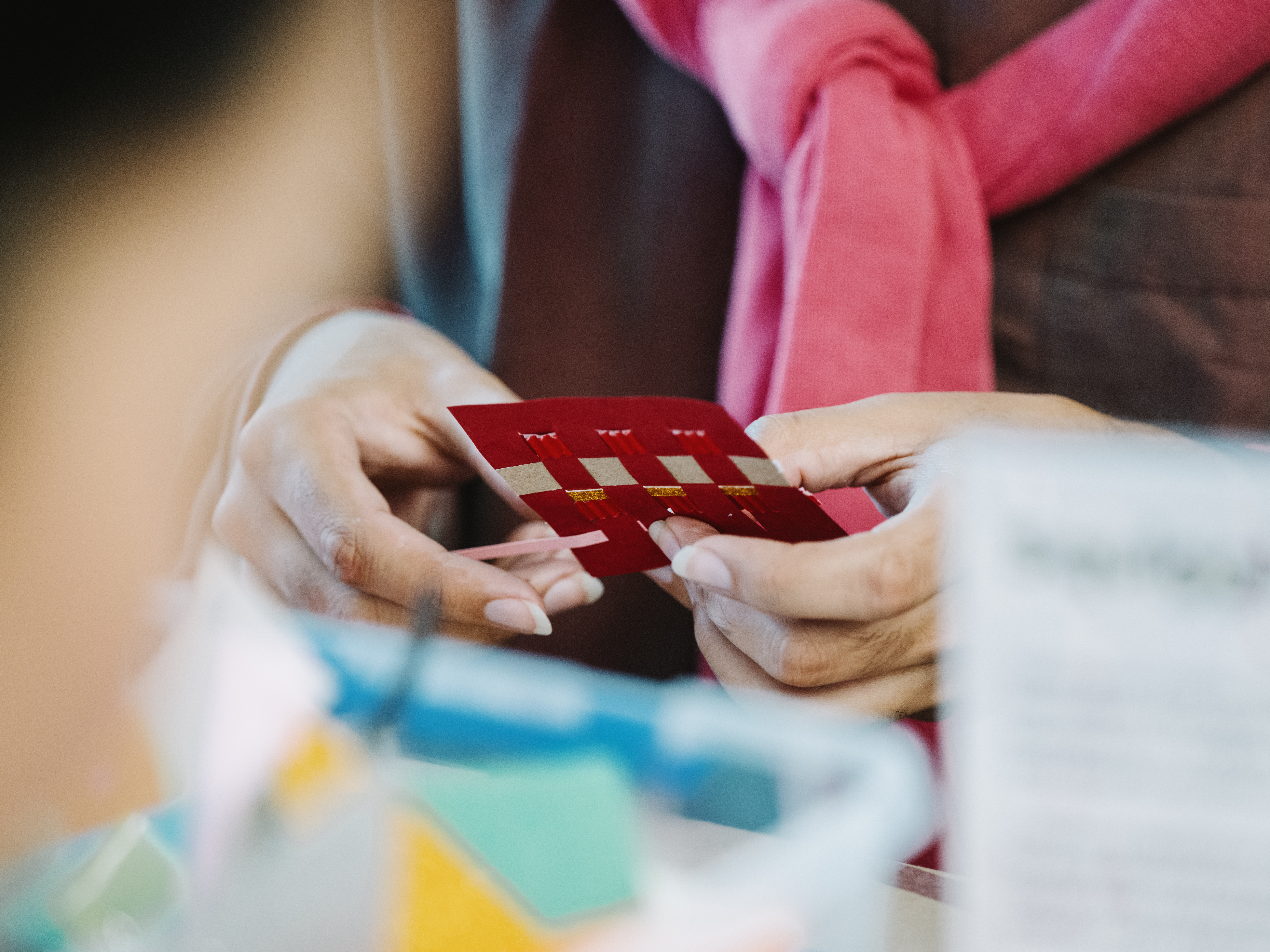
Squiggla asked, “What, if anything, makes it harder for you to do creative activities as often as you’d like?”
Many said the biggest barrier was finding time outside their other responsibilities:
- “Working full time leaves me with little mental bandwidth to spend time on developing and planning a project; my mind is spent by the time I get home and the weekends are spent on life admin.”
- “Kids, work, household chores…”
- “Exhaustion from work and life admin.”
A recurring theme was competing commitments:
- “…I love painting but I also play cello and need time to practise.”
- “It’s a nice to have and not placed in my weekly schedule.”
- “Time is really the essence of creativity for me.”
For some, creativity is only possible when it is deliberately protected in structured time, such as classes.
Respondents with creative careers described a more complicated relationship with time and energy:
- “It is hard doing something creative as a full time job and using up all my creative energy doing that!”
- “As an art business, a large amount of my time is spent doing the business side, office work, connecting, ordering, fulfilling orders, advertising on social media, etc. [...] Worrying about income kills creativity.”
Cost also came through as a significant barrier to creative expression:
- “Art materials are expensive.”
- “Not enough money for supplies, not enough time due to work and study commitments.”
- “The pressure of feeling I need to make money out of it/from it, or that I can’t afford to do it in the first place, or I have no space in my bedroom to do what I need to do and I can’t afford a studio or creative space to make.”
Illness and disability were also mentioned as barriers, alongside broader external pressures in the world around them:
- “Chronic illness, chronic pain, mental/emotional barriers... anxiety, tension, the cost-of-living crisis…”
- “Heavy news, inhumane happenings, environmental degradation, dark history repeating itself, personal/whānau conflicts…”
A sincere thank you to everyone who submitted a response to this survey. Reading these thoughtful reflections on how creativity impacts your lives has made it clear to us just how important creative thinking is for all of us. Creativity is woven through everything we do, from obviously creative activities like painting and drawing, to everyday responsibilities such as grocery shopping, childminding, and work. By recognising and affirming creativity as a thinking process intertwined with all aspects of life, Chartwell and Squiggla hope to support increased wellbeing across our communities.
Does this resonate with you? Is there anything you put into or get out of creativity that wasn’t mentioned here? We’d love to hear your thoughts. Email us at play@Squiggla.org.

